
Beautiful house, busy mind? Here’s why
Have you ever looked around your home and thought, "It looks lovely... so why doesn't it actually feel peaceful?" It's a question I hear more often than you might think.
Perhaps you've invested in beautiful furniture, chosen a carefully curated colour palette, and filled your shelves with pieces you genuinely love. On paper, everything should work. Yet something still feels slightly... off. Your shoulders don't quite drop when you walk through the door. You find yourself constantly tidying, moving things around, or escaping to another room.
The truth is, creating a beautiful home and creating a relaxing home aren't always the same thing. The homes we see in magazines or on social media are often styled for a photograph. They're designed to be admired for a moment. Real homes, however, need to support real lives. They need to work just as well on a busy Monday morning as they do on a quiet Sunday afternoon. When a home feels stressful, the cause is rarely one dramatic design mistake. More often, it's a collection of small details that quietly affect how we feel every single day.
Visual clutter creates mental clutter
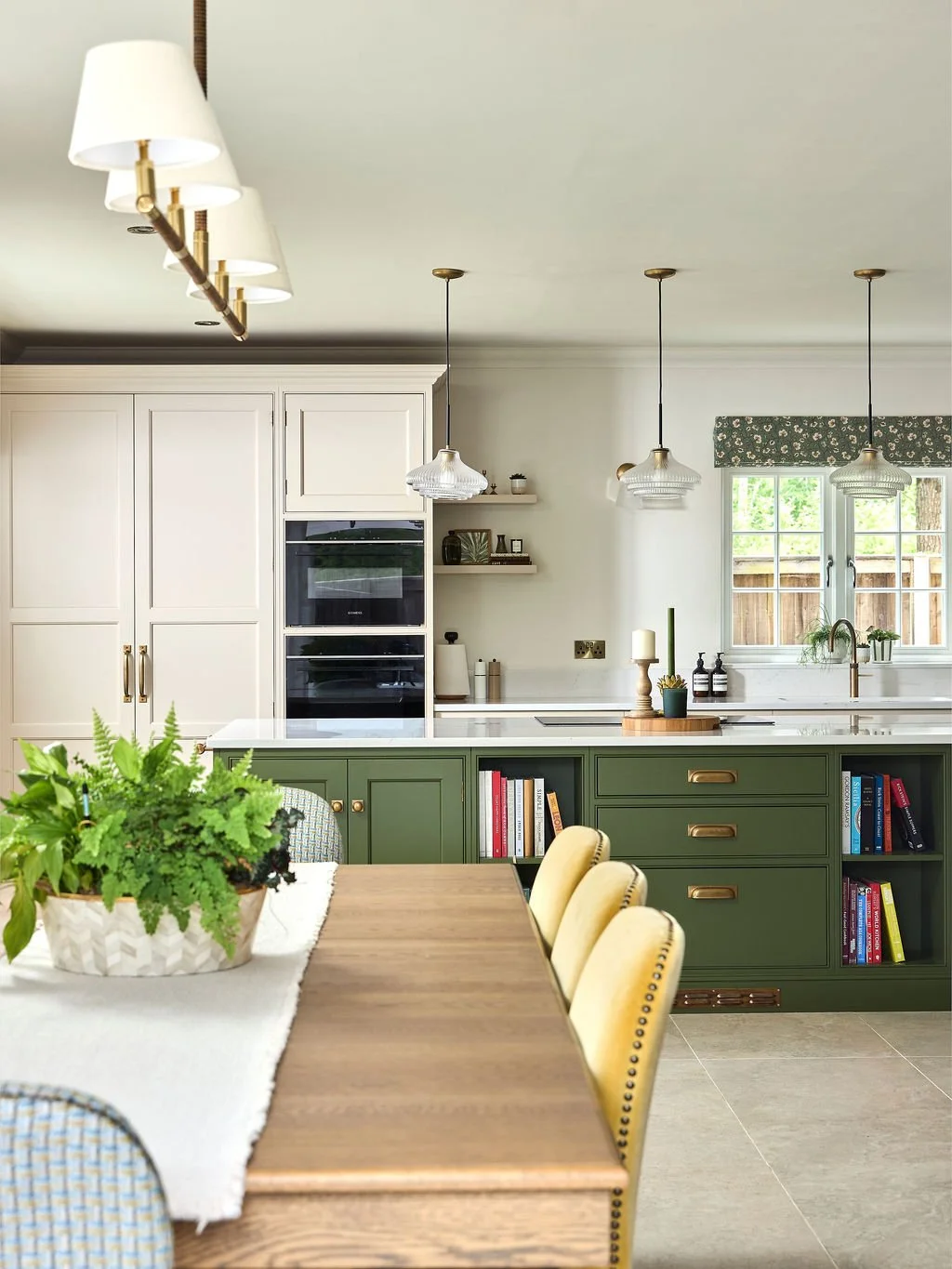
One of the biggest reasons a home doesn't feel calm is visual overload. Our brains are constantly processing information. Every pile of paperwork on the kitchen counter, every overfilled shelf, every tangle of charging cables is asking for our attention - even when we think we're ignoring it. This doesn't mean your home has to be minimalist.
A calm home isn't necessarily one with fewer possessions; it's one where everything has a place and the eye knows where to rest. Beautiful collections can still bring joy when they're displayed thoughtfully rather than competing for attention. Often, creating a calmer home is less about buying something new and more about editing what's already there. Giving treasured pieces room to breathe allows them to become features rather than background noise.
If you've ever wondered why your home feels stressful, visual clutter is often the first place to look.
Lighting changes everything
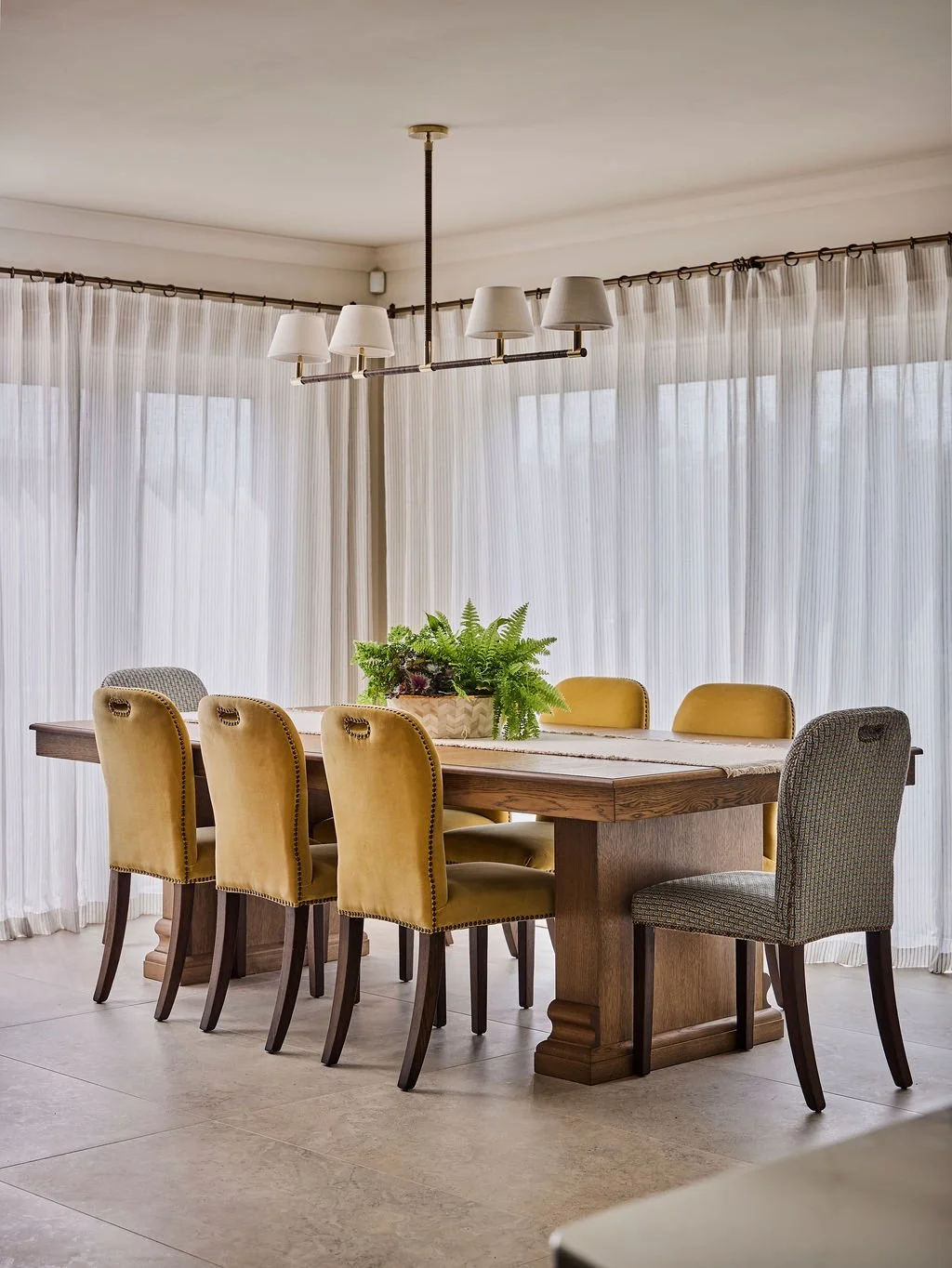
Lighting is one of the most overlooked elements of interior design, yet it's one of the most powerful. Many homes rely on a single ceiling light to do all the work. While practical, it rarely creates the kind of atmosphere that helps us unwind.
Think instead about layering light throughout a room.
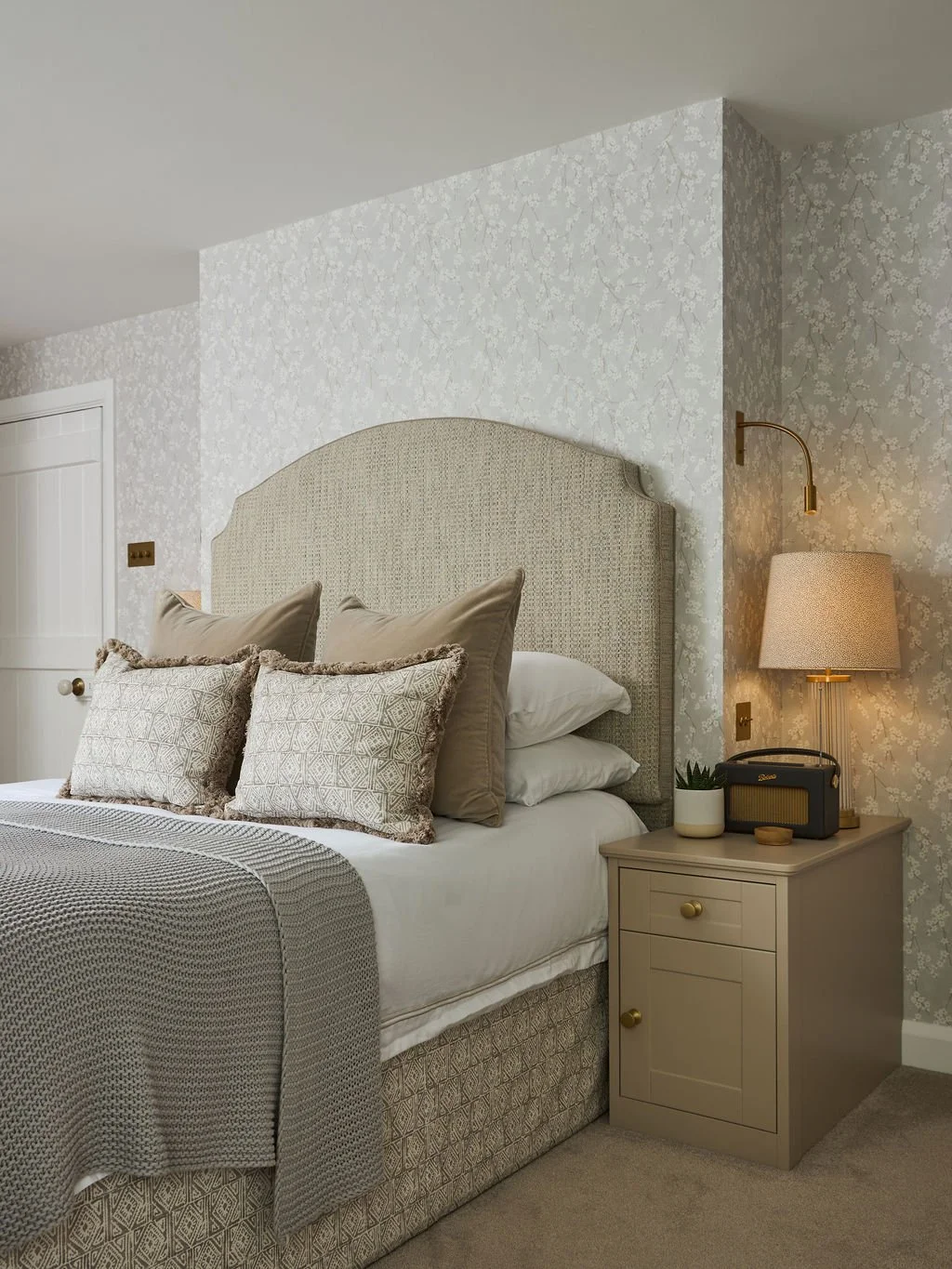
Wall lights, table lamps and floor lamps all create softer pools of light that make a space feel welcoming and comfortable. Warm-toned bulbs help signal to our brains that it's time to relax, while harsh white lighting can keep a room feeling clinical long after the working day has finished.
Natural light matters too. The way sunlight moves through your home changes throughout the day, and understanding this can influence everything from furniture placement to curtain choices. When people ask me how to make a home feel calm, lighting is nearly always one of the first things we discuss.
Your home should sound peaceful too
We often think about how a room looks, but rarely how it sounds. Hard flooring, large expanses of glass and minimal furnishings may photograph beautifully, but they can also create echoey, noisy spaces that subtly increase stress levels.
Soft furnishings do much more than add colour or texture. Rugs absorb sound. Curtains soften echoes. Upholstered furniture, cushions and layered textiles all help create a quieter, gentler atmosphere that feels instantly more relaxing. It's one of those invisible design decisions that people notice without quite knowing why.
Layout can either support or exhaust you
Sometimes a room feels uncomfortable not because of what's in it, but because of how everything is arranged.
Do you have to squeeze past furniture every time you walk through the room?
Is the sofa facing away from the natural focal point?
Does your dining chair constantly catch on the wall behind it?
These tiny frustrations accumulate over time.
Good interior design isn't simply about choosing beautiful pieces - it's about making daily life feel effortless. A well-planned layout allows movement to flow naturally. It creates conversation areas that feel inviting, ensures furniture is the right scale for the room, and removes the little points of friction that can make a space surprisingly tiring to use. The best-designed homes often go unnoticed because they simply feel easy to live in.
Styled isn't always liveable
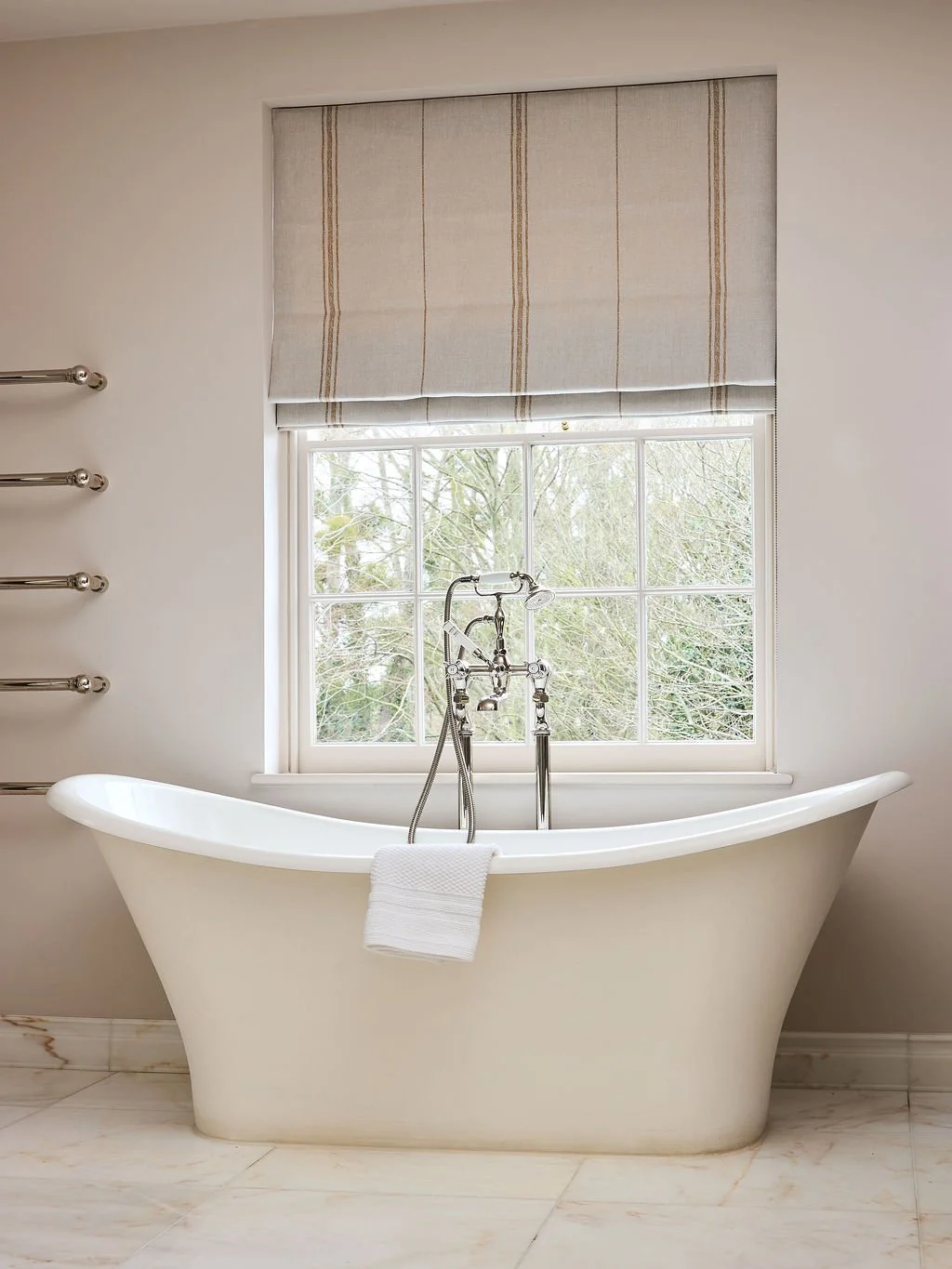
Social media has changed how many of us think about interiors. Perfectly styled coffee tables, immaculate open shelving and pristine cream sofas certainly look beautiful. But homes are meant to be lived in, not preserved. The most successful interiors balance beauty with practicality.
That might mean choosing fabrics that can withstand family life, incorporating hidden storage rather than displaying everything, or selecting furniture that genuinely suits the way you spend your evenings. A home that reflects your routines will always feel more relaxing than one designed around someone else's lifestyle. Your home shouldn't ask you to change who you are. It should quietly support the life you already live.
Designing for wellbeing, not just aesthetics
Interior design is about far more than colour schemes and furniture choices. It's about understanding how a space affects your mood from the moment you wake up until the moment you go to bed.
When every element works together - lighting, layout, storage, texture and flow - your home begins to do something remarkable. It starts to restore you.
You notice that mornings feel less chaotic. Evenings become easier to switch off. You spend more time in the rooms you've invested in because they genuinely support your wellbeing rather than simply looking good. That's the difference between decorating a house and designing a home.
At Willow & Bert Interiors, we believe beautiful spaces should also feel deeply comfortable, practical and restorative. Because the best interiors don't just impress your guests - they help you breathe a little easier every day. If you're searching for relaxing interior design ideas, remember that lasting calm rarely comes from buying more. It comes from creating a home that works with you, supports your lifestyle and feels as good as it looks.
Until next time,
Chloe