
Where to Spend vs. Where to Save in Interior Design
One of the questions I’m asked most often when starting an interior design project is: “Where should we actually spend the money?” It’s a very sensible question. Particularly when you’re renovating a whole house, the answer isn’t simply “buy the best of everything”.
In fact, some of the most successful interiors are created by knowing exactly where to invest, where to be flexible, and where not to spend at all.
For me, good interior design is never about making a home expensive. It’s about making your budget work harder.
Spend on the things you touch, use and live with
If there’s one principle I return to again and again, it’s this: invest in the things that have to work hard. A sofa you use every evening, a beautiful dining table around which your family gathers, properly made curtains that frame a room beautifully, or a well-designed piece of fitted furniture can all justify a larger proportion of your budget.
The same applies to the less glamorous decisions. In an oast house, for example, the architecture creates its own particular challenges, so getting the fundamentals right is important. The right heating, joinery, lighting and layout can transform how a space feels and functions.
Window treatments are another area where I’m often reluctant to cut corners. Made-to-measure curtains and blinds are designed around the proportions of your individual room, while beautiful fabrics add softness, colour and texture that can make a scheme feel truly finished. These are the pieces you notice every day. They earn their keep.
Save on the things that can evolve
Not everything needs to be an investment piece. I’m a great believer in creating a room that can change with you. Cushions, lamps, smaller occasional tables, accessories and some decorative pieces are wonderful places to be more flexible. These are the elements that can move around the house, be recovered, replaced or simply put away for a while.
That’s particularly important in a family home. Children grow. Tastes change. Rooms change purpose. A teenage bedroom may eventually become a guest room; a playroom might become a study.
Spending your entire budget on elements that are difficult to change can leave you with a beautiful room that doesn’t work quite so beautifully five years later. Instead, spend where permanence and quality matter, and allow the decorative layers to evolve.
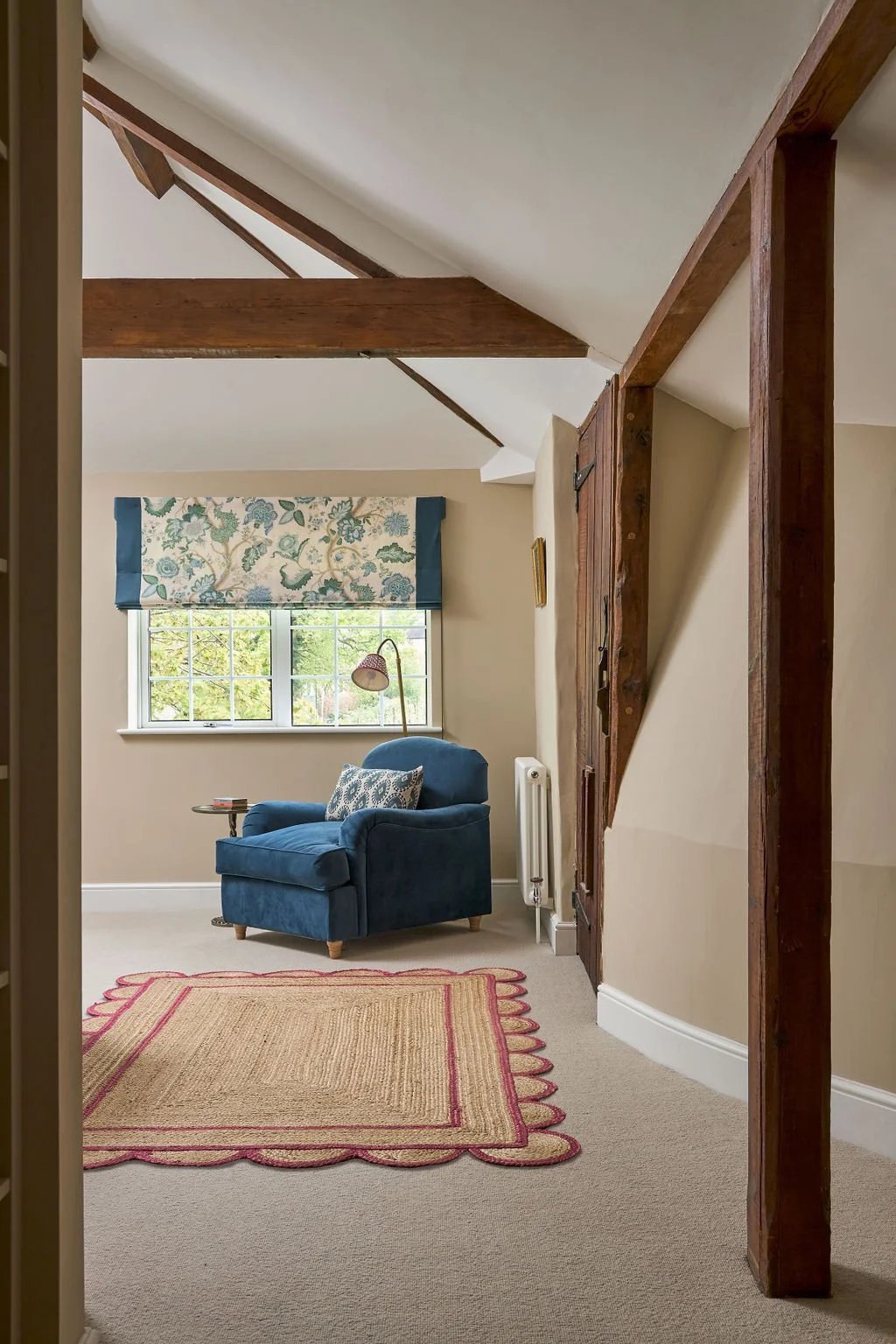
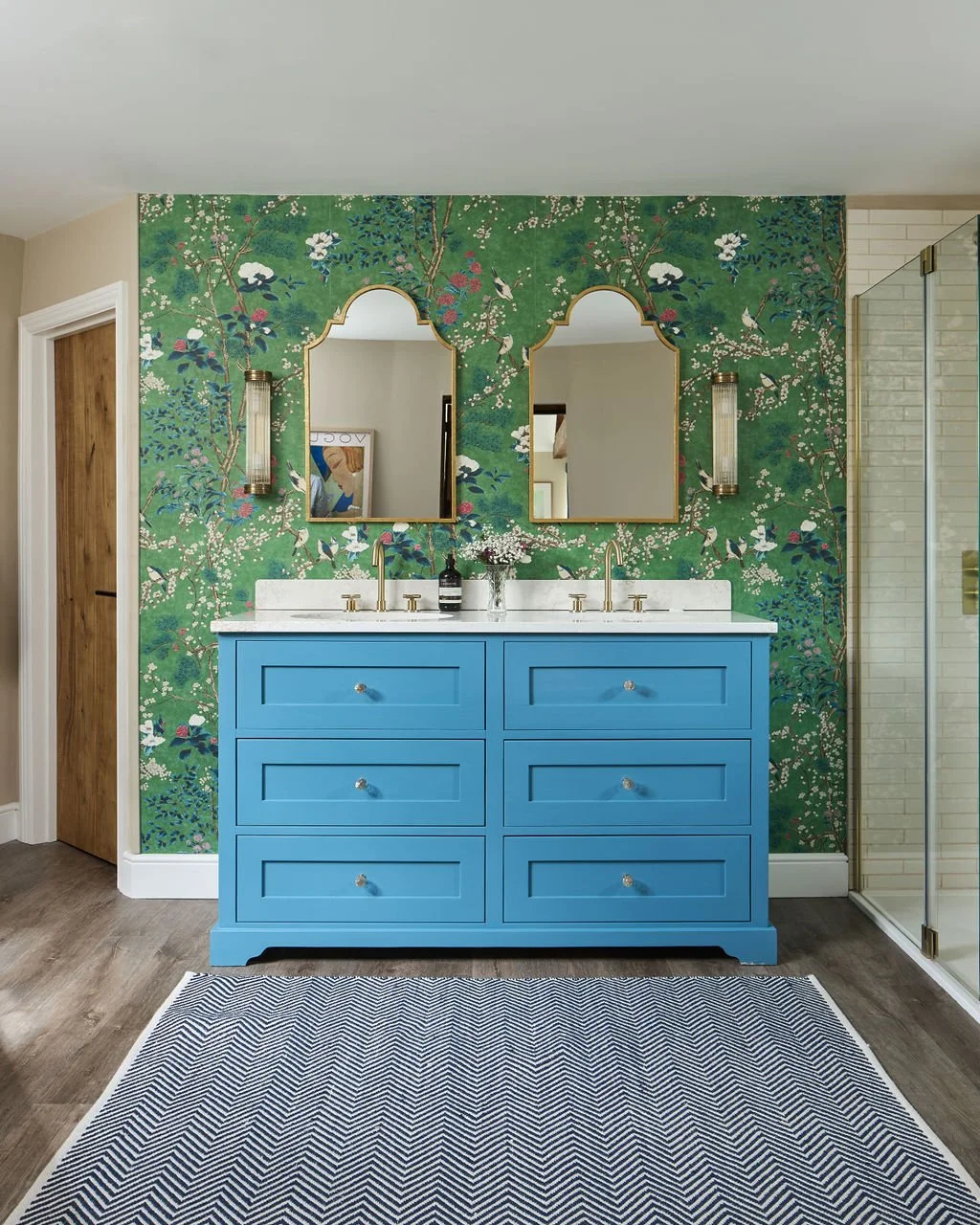
The expensive mistakes are rarely the obvious ones
When we talk about interior design budget tips for UK homeowners, I think it’s helpful to look beyond the price tag. One of the costliest mistakes is buying something simply because you love it - before checking whether it’s the right scale, proportion or function for the room.
Another is replacing perfectly good furniture unnecessarily. Sometimes a much-loved chair simply needs recovering. An existing piece can become the starting point for an entirely new scheme, rather than something destined for the tip. It’s often these layers of old and new that give a home its personality.
The other common mistake? Leaving practical decisions until the end. Lighting, flooring, storage, electrical points and window treatments all need to be considered early. Changing your mind once work is underway can be considerably more expensive than making the right decision at the beginning. This is where an experienced interior designer can really earn their place at the table.
So, where should you spend your renovation budget?
Start with the bones. Spend on the things that are difficult, disruptive or expensive to change later: spatial planning, joinery, flooring, kitchens and bathrooms, lighting and heating. Then consider the pieces that genuinely improve everyday life - the sofa you’ll sink into, the dining table you’ll use constantly, the curtains that make a room feel finished. After that, layer in the personality: colour, pattern, artwork, lamps and accessories.
Looking through our projects, from family rooms and country cottages to kitchens, bedrooms and whole-house schemes across Kent, you’ll see that the approach is never about throwing money at every element. It’s about creating a considered balance between investment pieces and more flexible details.
And this is why I don’t believe there is one magic percentage for an interior design budget. Every house is different. A Victorian terrace in Sevenoaks has different requirements from a new-build in Tunbridge Wells, while an oast house in the Kent countryside brings its own particular challenges.
The right budget is the one that reflects your home, your lifestyle and how you intend to use it.
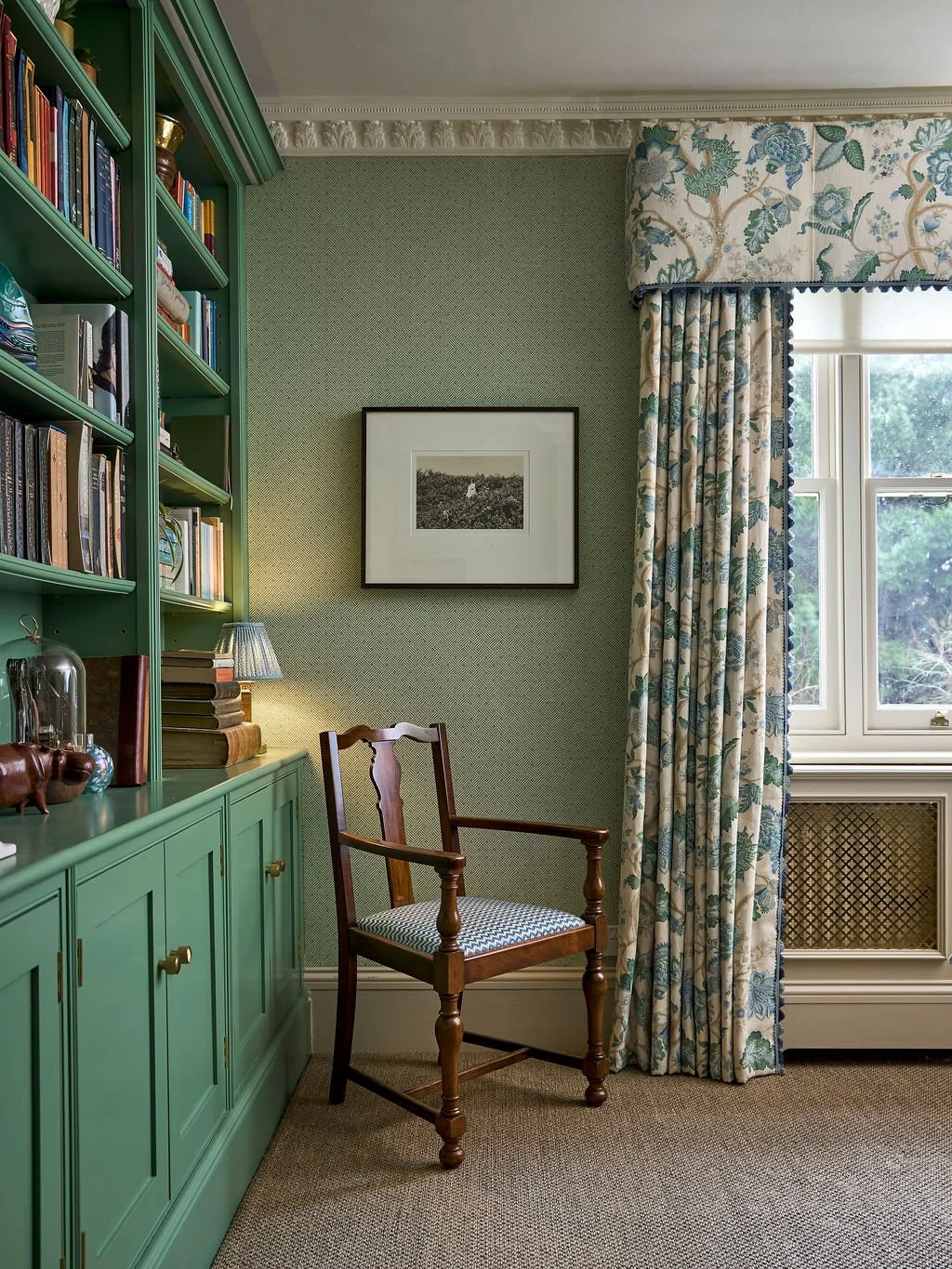
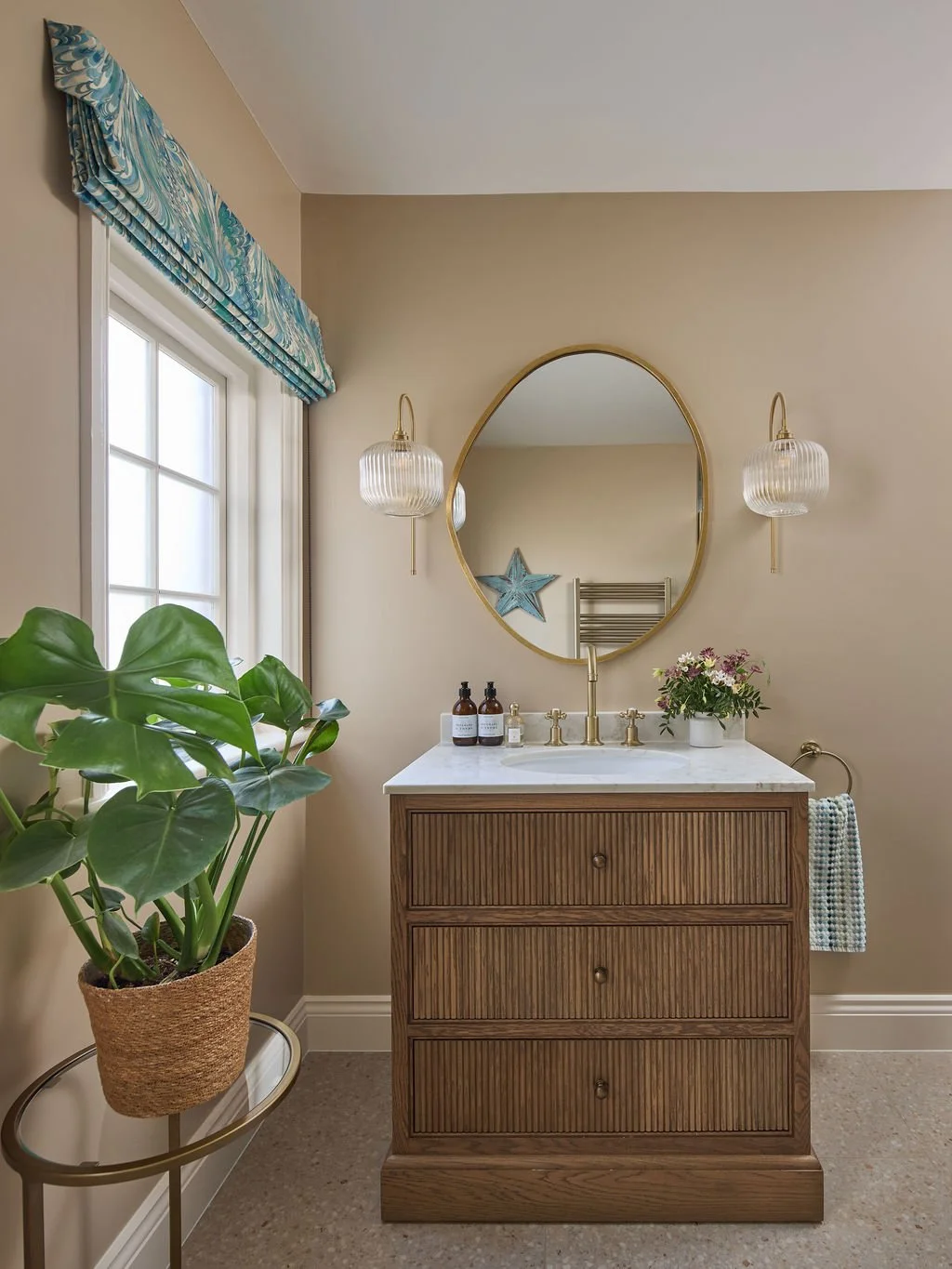
Is an interior designer worth it?
For me, the value isn’t simply in finding beautiful things. It’s in knowing which things are worth buying in the first place.
A designer can help you step back from the individual decisions and see the whole picture: what can stay, what needs changing, where bespoke really adds value and where a simpler solution is perfectly good.
That’s particularly valuable when you’re undertaking a larger renovation. There are hundreds of decisions to make, and it’s remarkably easy for small choices to add up to a very large bill. Having someone help you prioritise can mean spending more in the places that genuinely improve your home - and less on the things that don’t.
Because ultimately, the most expensive interior isn’t necessarily the most successful one.
The best home is the one where the money has been spent thoughtfully - on the things that will last, the things that make everyday life easier, and the details that make you smile every time you walk through the door. And that, to me, is where good interior design really earns its keep.
If you’re planning a renovation or decorating project the best place to start is not with “What can we afford?”, but with “What is actually worth spending our money on?”
Until next time,
Chloe