
Designing for real life
There’s often a moment, somewhere between finishing a room and actually living in it, when reality sets in.
The layout that worked beautifully on paper feels slightly awkward on a busy weekday morning. The spare room becomes an office. Then a guest room. Then something in between. Storage that once felt generous starts to overflow. Most homes aren’t static - and yet so often, they’re designed as though they are.
The idea of a “finished” home is appealing, but in practice, it rarely lasts. Life moves on. Needs change. And spaces need to keep up. The good news is that with the right approach, a home doesn’t need to be constantly redesigned to stay relevant. It simply needs to be designed with change in mind from the outset.
Designing for change, not perfection
It’s tempting to aim for a fully resolved, picture-perfect scheme. But the most successful interiors aren’t the ones that feel “done”- they’re the ones that remain flexible.
We often see this with clients who come to us after living in their home for a few years. They’ve made thoughtful decisions, invested in key pieces, and created something they love - but parts of the space no longer quite work. Not because they got it wrong, but because life has shifted around it.
Designing for real life means accepting that change is inevitable and building in the ability to adapt without starting again.
Where flexibility matters most
Some elements of a home naturally lend themselves to evolution more than others. These are the areas where a little foresight makes all the difference.
Layout is often the biggest one. Open-plan living, for example, works beautifully in theory - but in reality, many households find themselves needing more separation over time. Creating subtle zoning from the start - through furniture placement, lighting, or joinery - allows a space to shift function without major structural changes.
Storage is another. What works for a couple can quickly fall short for a growing family or changing routines. Built-in storage that’s too specific can become limiting, whereas more adaptable solutions offer longevity.
Lighting is frequently overlooked in this context. A single overhead light might suit one purpose, but layered lighting - task, ambient, and accent - allows a room to support different uses throughout the day and over the years.
And then there’s furniture. Investing in pieces that can move, adapt, or be repurposed gives you far more flexibility than designing everything to fit one exact layout.
Real homes, real change
This is something we see time and again across our projects.
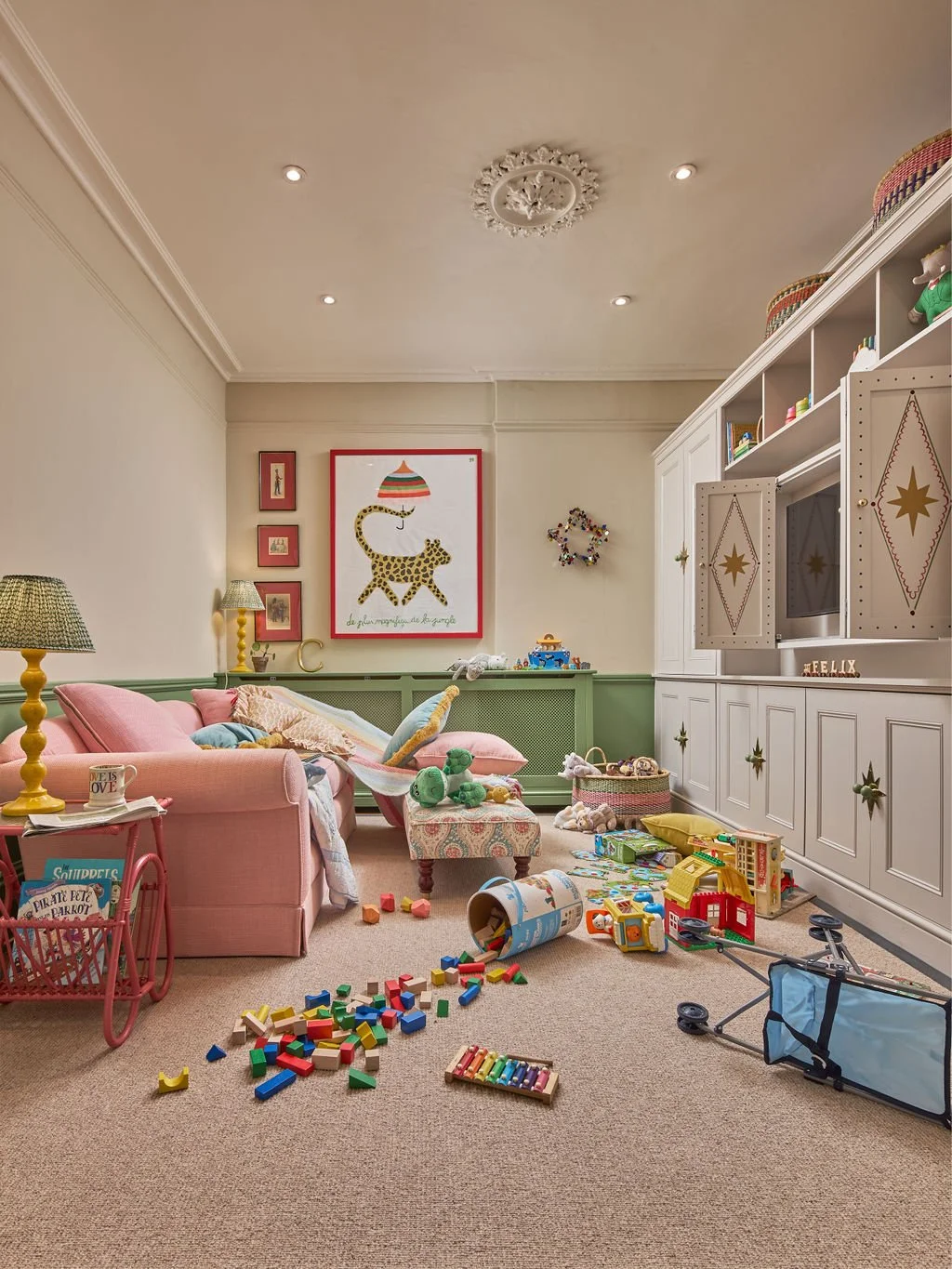
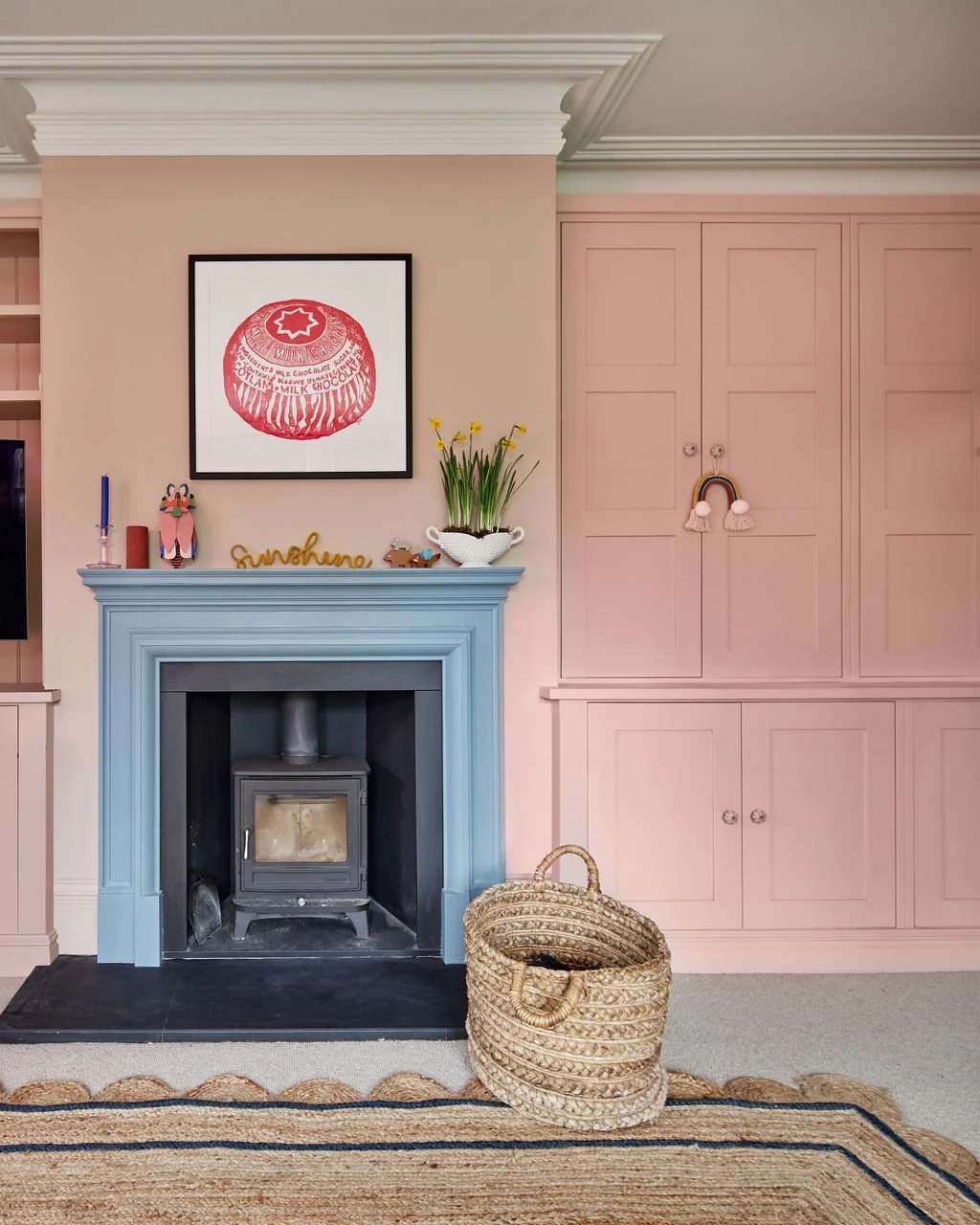
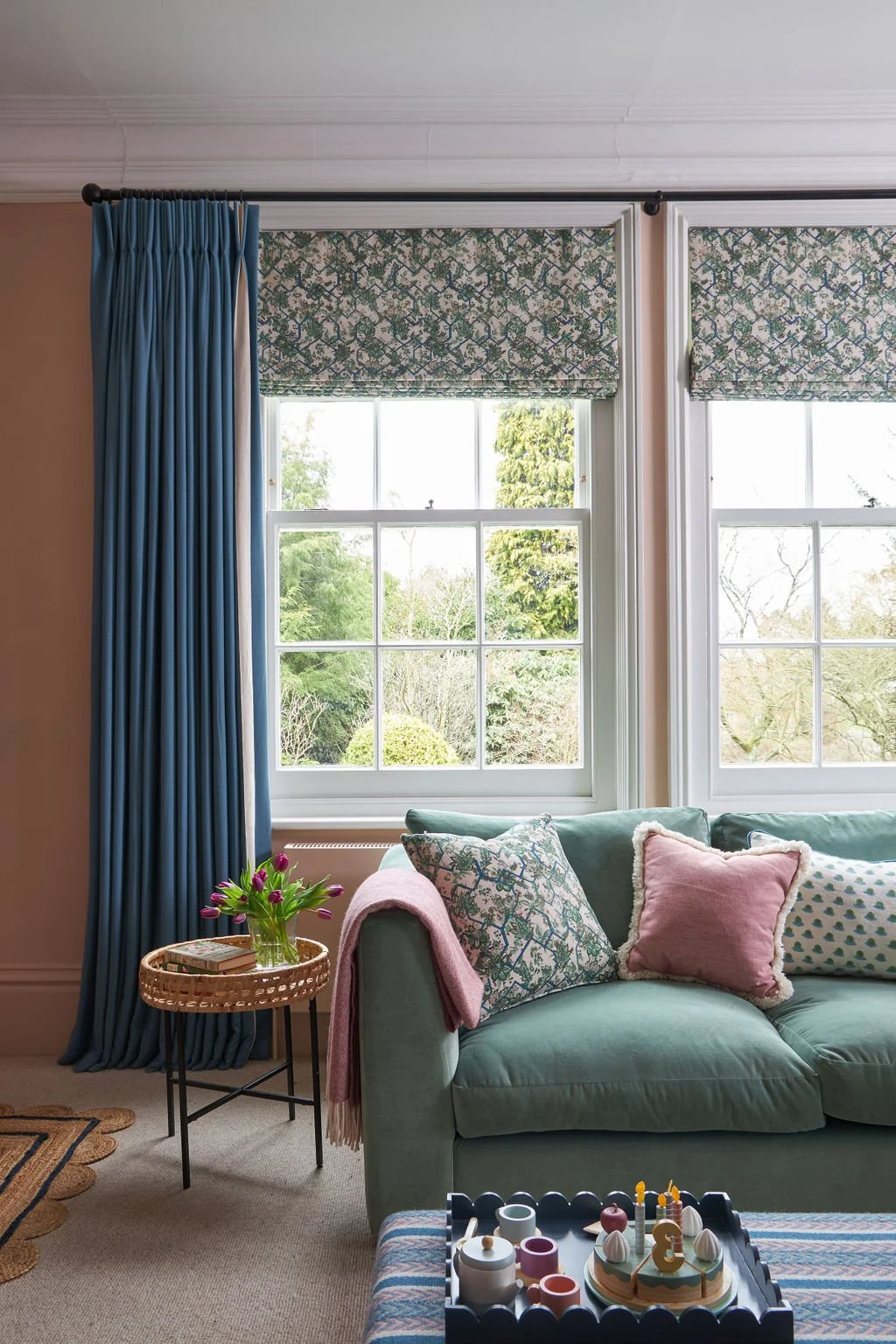
In one family home, a calm, grown-up sitting room gradually needed to accommodate toys, homework, and the rhythms of daily life. Rather than redesigning the space entirely, we introduced more durable fabrics, reworked the layout to create clearer zones, and layered in storage that didn’t compromise the overall feel.
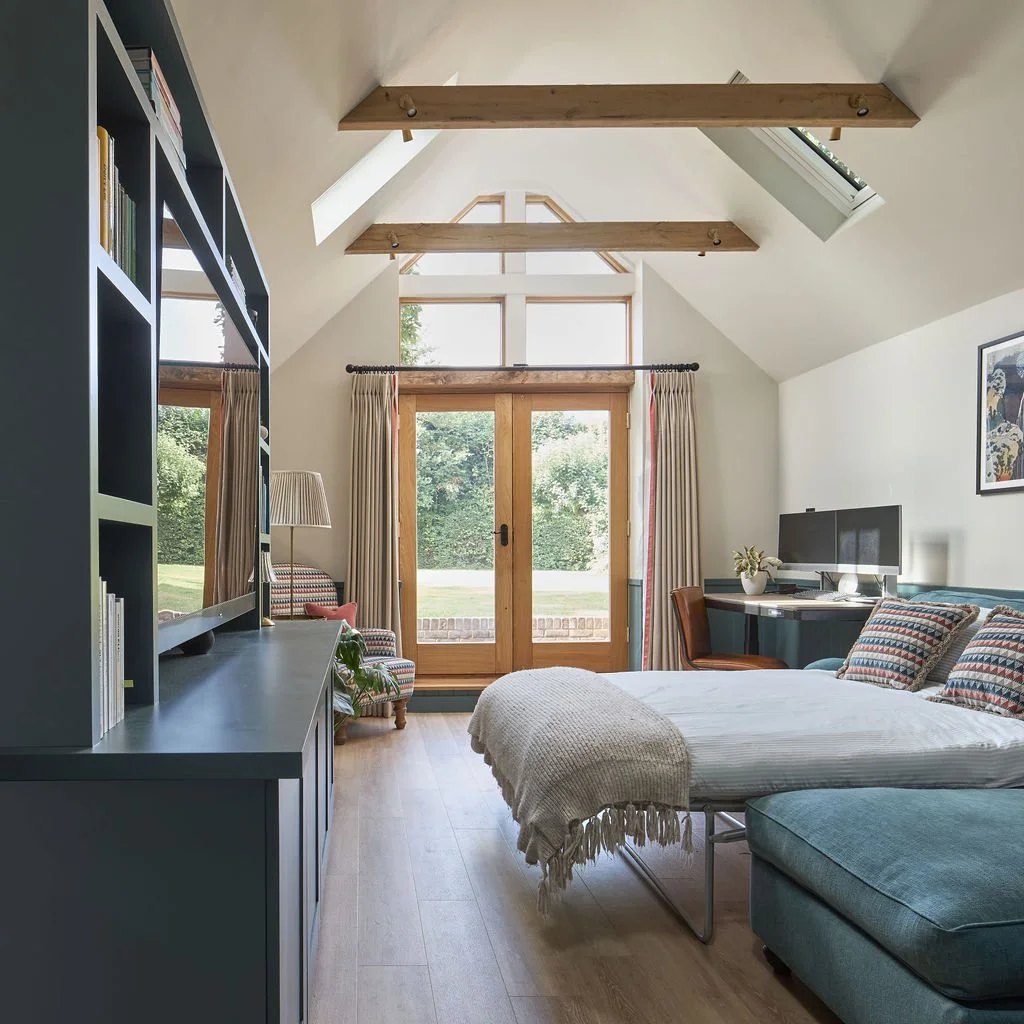
In another project, a guest bedroom evolved into a hardworking hybrid space - part home office, part retreat for visiting family. By focusing on adaptable furniture and considered lighting, the room was able to serve both purposes without feeling like a compromise.
And in several open-plan kitchen and living areas, we’ve helped clients regain a sense of balance by subtly redefining zones - creating spaces that feel connected, but not competing.
The cost of not planning ahead
Without this kind of thinking, homes can quickly become frustrating. Furniture gets replaced sooner than expected. Layouts feel restrictive. Small irritations build up over time, often leading to more significant (and costly) changes down the line. It’s rarely about one big mistake - more often, it’s the absence of a longer-term view.
A more considered approach
One of the most valuable things a designer brings isn’t just an eye for colour or materials - it’s the ability to think ahead. That might mean designing in phases, so a home can evolve naturally over time. Or identifying early on where it’s worth investing, and where it’s better to remain flexible. It’s about creating a framework that supports change, rather than resisting it.
Small decisions that make a big difference
Designing for flexibility doesn’t have to mean compromising on style. In fact, it often leads to more thoughtful, enduring interiors.
A few simple principles can go a long way:
Choosing more timeless “anchor” pieces, and allowing smaller elements to shift over time
Planning electrical layouts carefully, even if all the fittings aren’t installed straight away
Avoiding overly trend-led layouts that may date quickly
Leaving a little breathing space - both visually and physically
A home that evolves well doesn’t feel unfinished - it feels considered. It supports the way you live now, while leaving room for what comes next. And ultimately, that’s what makes a space not just beautiful, but genuinely liveable.
Until next time,
Chloe