
The magic happens in the middle
There’s a moment in almost every interior design project where the room looks… well, a little bit wrong.
The walls may be painted but the art isn’t up yet. A beautiful sofa has arrived but it’s surrounded by half-opened boxes. Curtains are still being made while lighting samples sit on the floor waiting to be chosen. It’s the stage where clients sometimes pause and think, “Have we made the right choices?”
As interior designers, we know this moment well. In fact, we expect it. Because the truth is: the magic of great design almost always happens in the middle.
The awkward middle stage
Design projects rarely move from empty room to perfectly styled interior in one neat step. Instead, they unfold in layers.
Early on, we focus on the foundations - layouts, colour palettes, flooring, key furniture pieces. These decisions create the framework for the room, but they don’t yet show the finished picture.
Once those elements start to arrive, the space can feel strangely unfinished. A rug might look too small before the surrounding furniture is placed. A paint colour can feel slightly flat before artwork, lighting and textiles bring it to life.
This “awkward middle” is completely normal in the interior design process.
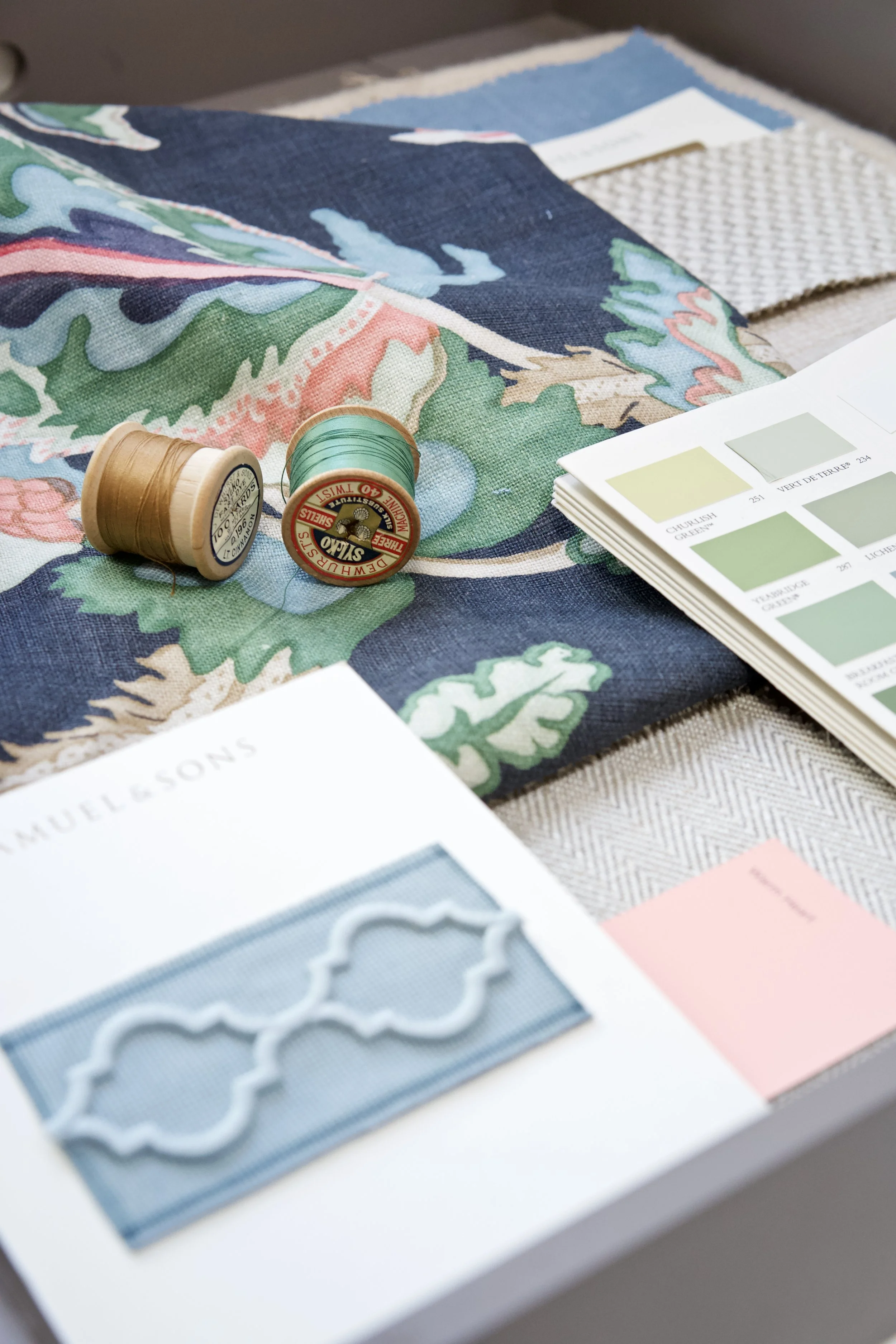
For a growing interior design studio working across Kent, Sussex and Surrey, we see it in projects of every size - from full home renovations to single-room transformations. The middle stage is where all the pieces are present but not yet in conversation with each other.

Why things may look incomplete
Interior design isn’t simply about selecting beautiful individual pieces. It’s about how those pieces interact.
When elements arrive at different times - which they almost always do - the room can briefly feel mismatched. A bold armchair might look overwhelming before the cushion palette is introduced. A statement light fitting may seem too dramatic until the rest of the styling balances it. Think of it like cooking a complex dish. If you tasted it halfway through, it would probably feel unfinished. But once the final ingredients are added and everything has had time to come together, the flavours suddenly make sense. The same principle applies to interiors.
During this phase, our job as designers is to hold the vision. We know what the finished room will feel like, even when it hasn’t quite revealed itself yet.
Layering is where the character appears
The difference between a room that looks “nice” and one that feels truly special is often layering. Layering happens gradually. It includes:
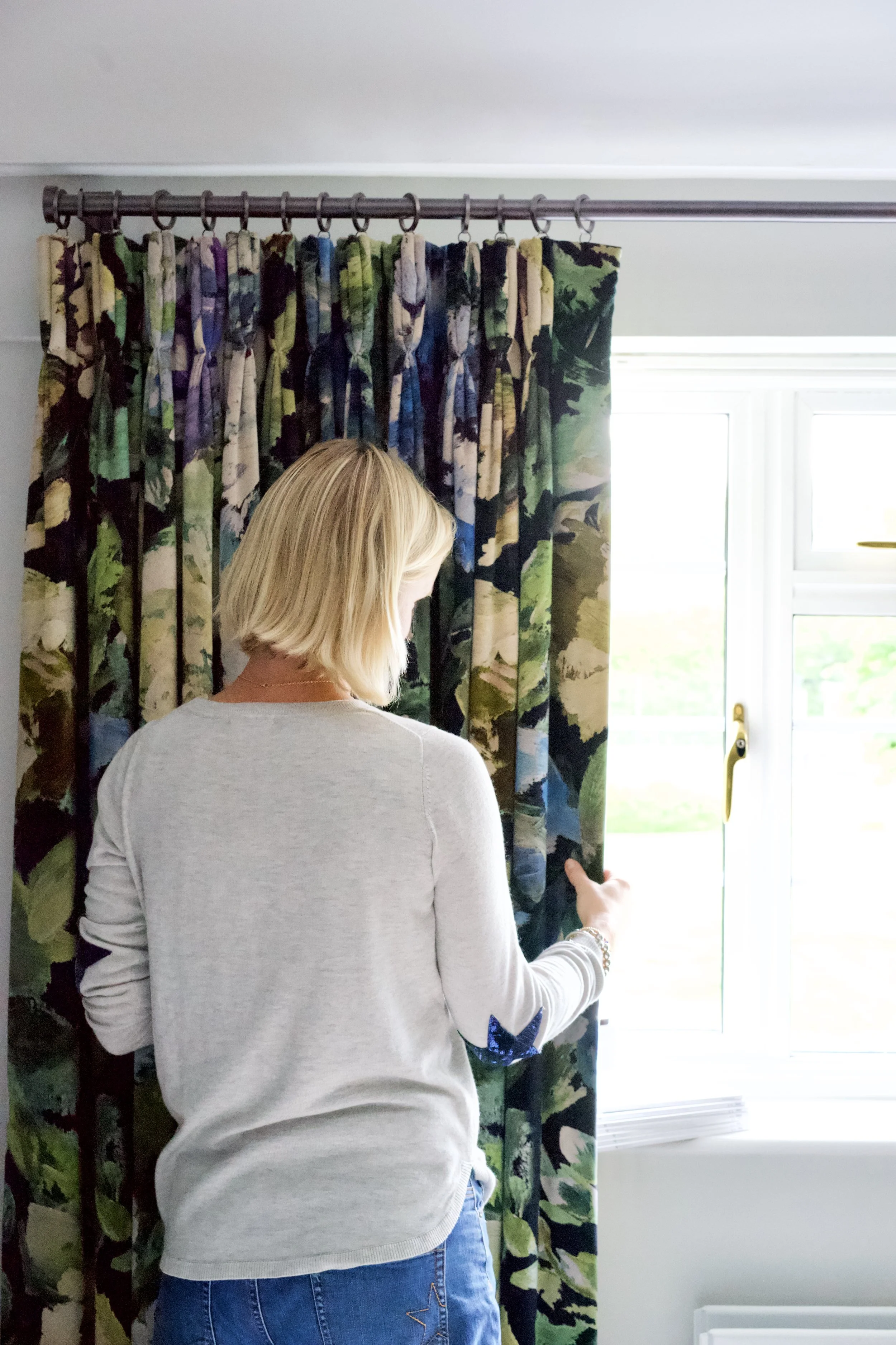
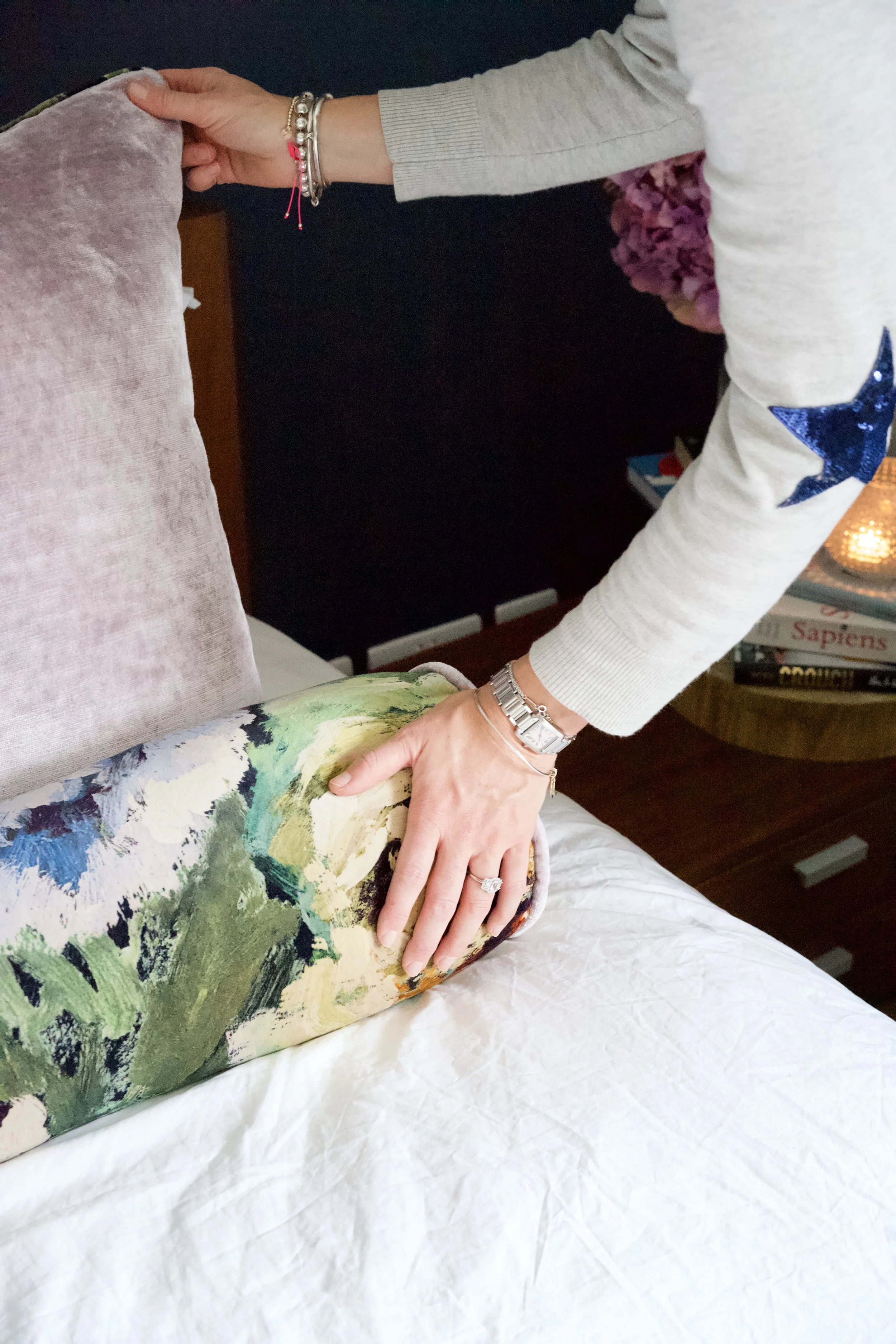
Textiles such as cushions, throws and curtains
Lighting at different heights
Artwork and wall styling
Decorative accessories and books
Plants and natural textures
Personal pieces that make the home unique
Without these layers, a room can feel flat or overly staged. But as they build up, something shifts. The space becomes softer, more balanced, and more reflective of the people who live there. For our clients this stage is often the most exciting - because it’s when the personality of the space really begins to appear.
Iteration is part of the process
Another reason the middle stage can feel slightly chaotic is that design is rarely linear.
Even with a clear concept, there is always a degree of refinement as the project unfolds. Perhaps a lamp feels too small once the side table arrives. Maybe a fabric sample looks different in natural daylight. Or a piece of artwork shifts slightly to create a better visual balance. None of this means the design is going wrong. In fact, it means the opposite.
Great interiors evolve through small adjustments. Designers call this iteration - the process of testing, adjusting and improving until everything feels just right. It’s this careful refinement that elevates a room from “put together” to truly cohesive.
Trusting the vision
One of the most valuable things a designer brings to a project is perspective.
When clients walk into a room mid-installation, they’re seeing individual elements that haven’t yet formed the full story. Designers, however, are visualising the finished composition - the lighting, textures, styling and atmosphere working together.
This is why patience during the middle stage can make such a difference. Trusting the process allows the design to fully unfold. Because once the final pieces are placed - the cushions fluffed, the artwork hung, the lighting switched on - the room suddenly feels complete.
When Everything Clicks
There is always a moment at the end of a project when the transformation becomes clear. The sofa that once looked lonely now anchors the room. The colours that felt uncertain now feel harmonious. The layered textures create warmth and depth. And the space finally reflects what it was always meant to be: a home that feels both beautiful and effortlessly lived in.
So if you ever find yourself standing in the middle of a redesign wondering why it looks slightly chaotic - remember this: The magic often happens right there in the middle.
And with thoughtful layering, careful iteration, and a clear design vision, that slightly messy stage is simply the prelude to something wonderful.
Until next time,
Chloe